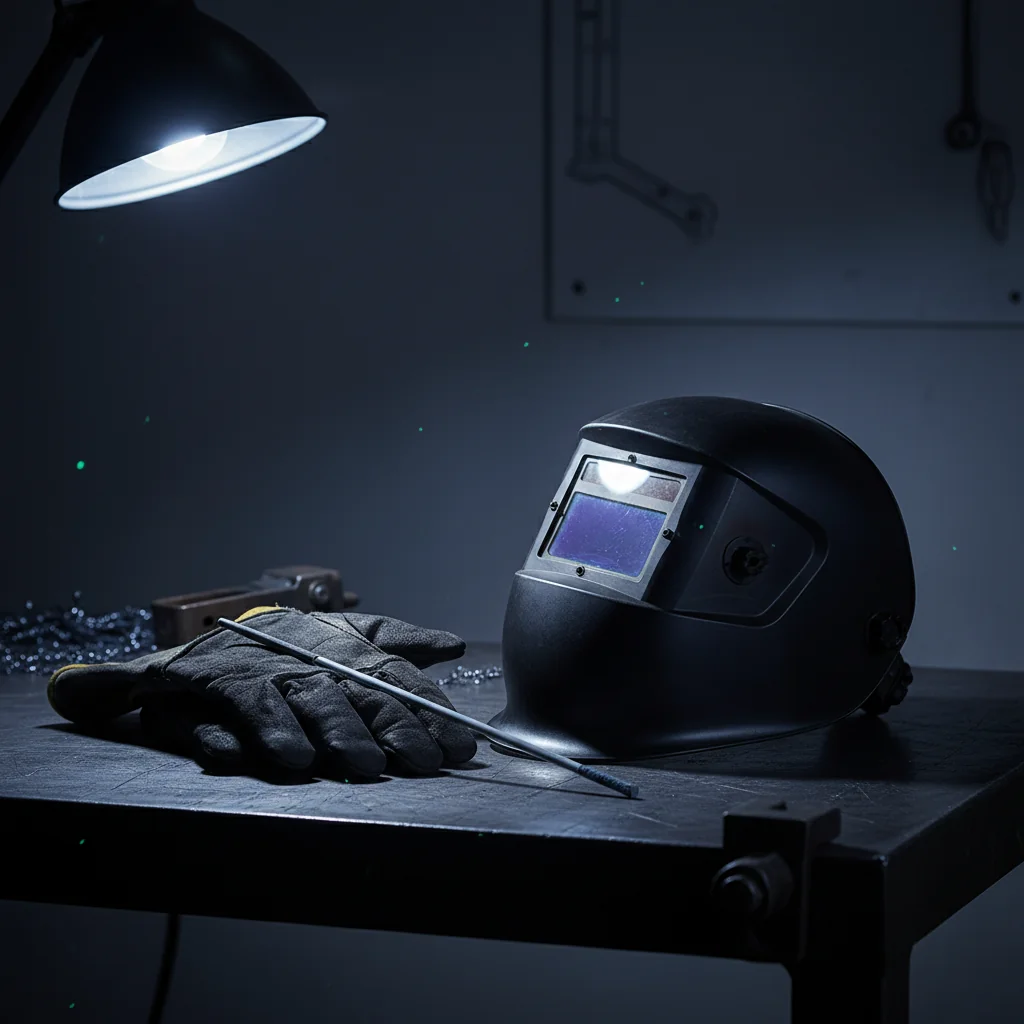
Welder in North Dakota
Requirements, salary data, licensing costs, and career ROI for ND. Updated with 2024 BLS OEWS wage data.
BLS OEWS 2024, North Dakota.
Jobs (ND)
10-yr job growth
Time to complete
route How to become a welder in North Dakota
North Dakota does not have a general state-wide welding license. However, welders working on new or existing boilers and pressure vessels must meet specific requirements set by the North Dakota Department of Environmental Quality, Boiler Inspection Program. This involves passing a performance qualification test for ASME position "6G" or equivalent, documented on an ASME Section IX "QW-484" form, with tests conducted by a certified laboratory. While there is no application fee for this specific registration, exam costs are typically paid to third-party inspectors.
bar_chart Salary percentiles
Source: BLS OEWS 2024 for North Dakota. Metro-area wages may differ significantly from the state aggregate.
checklist North Dakota requirements
| Licensing body | North Dakota Department of Environmental Quality, Boiler Inspection Program |
| State license | Not required |
| Education | Must pass a performance qualification test for ASME position "6G" or equivalent, documented on a current ASME Section IX "QW-484" form, with tests of welded specimens made by a certified testing laboratory. Alternatively, a firm with a valid ASME certificate of authorization for new boiler construction or a National Board "R" certificate may have welder qualifications audited by the chief boiler inspector. |
| Exam | ASME Section IX Welder Qualification Test (for boiler and pressure vessel welding) |
| Reciprocity | Reciprocity for general welding is not specified; hobby boiler operators may be exempt.Reciprocal states: Not specified for general welding or boiler/pressure vessel welding. However, individuals holding a boiler operator license or credential in another state or Canadian province are exempt from licensure as a hobby boiler operator in North Dakota. |
| Notes | This certification is specifically for welders working on new or existing boilers and pressure vessels. North Dakota does not have a general state license for all welding. Welders must be at least 18 years old. Some employers may require AWS certification. |
Source: North Dakota Department of Environmental Quality, Boiler Inspection Program
Already licensed elsewhere and moving to North Dakota? See whether North Dakota recognizes an out-of-state credential — with the tier and pathway for all 50 states — in our Welder license reciprocity guide.
work_outline Job outlook
AI & tech impact
This career has low exposure to AI automation. Most tasks require physical presence, human judgment, or hands-on skills that AI cannot easily replicate.
balance Is it worth it?
- infoNo state license required — lower barrier but weaker signal
- check_circleLow AI disruption risk
Compare Welder head-to-head
See all comparisons →Considering a Welder vs another career? Side-by-side breakdowns of pay, training time, and licensing.