Welder
Certification requirements, cost and salary by state
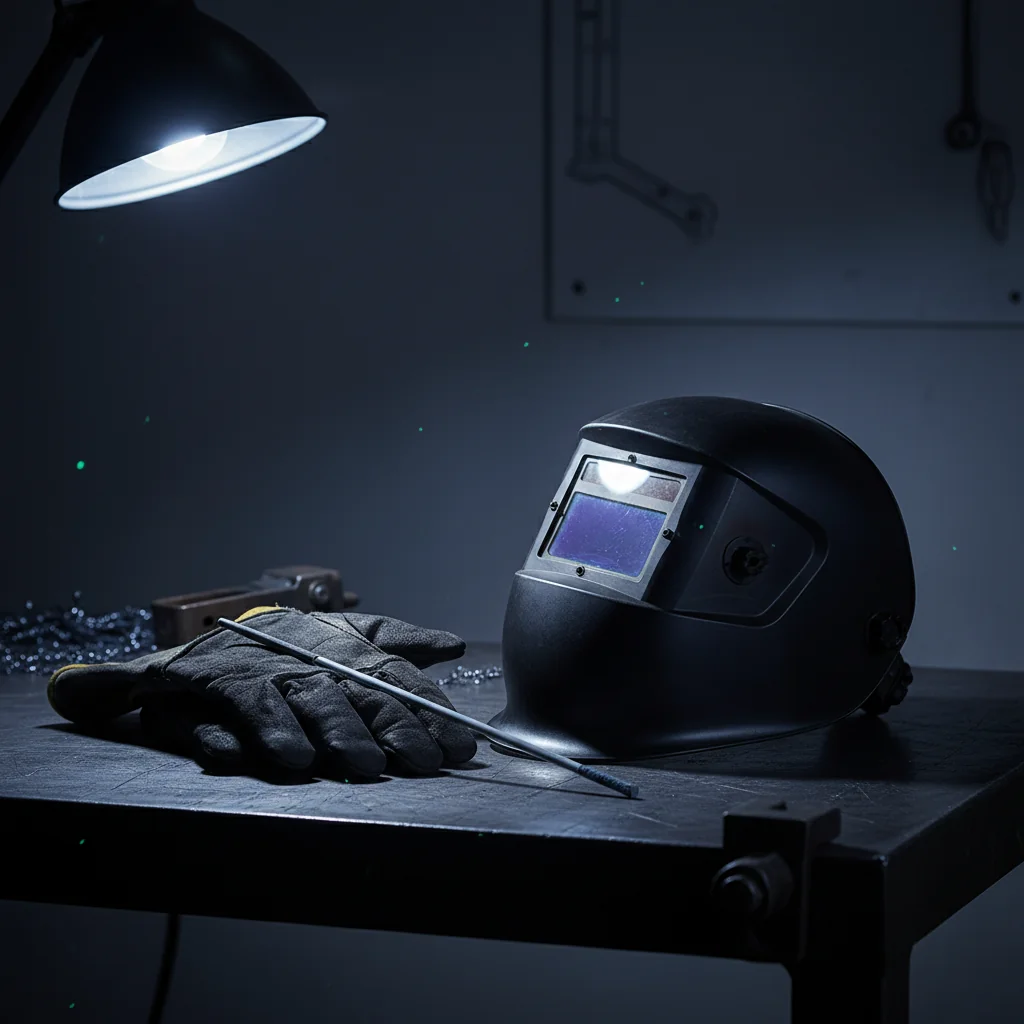
Welders join metal parts together using heat, pressure, or both — working with techniques like MIG, TIG, stick, and flux-core welding. They work in manufacturing, construction, shipbuilding, pipeline, and aerospace industries. Welding certification is skill-based rather than degree-based: most welders earn AWS or ASME certifications by passing hands-on welding tests specific to the materials and positions they'll work with.
Time to certify
Required exam
Exam cost
Education
Annual openings
What it's actually like
A day-to-day reality check, grounded in current practitioner sources — not just the salary math.
Hours / week
Shifts: 8, 10, or 12 hours.
Weekends
Where you work: manufacturing plants, construction sites, shipyards.
Physical demand
HighThe role requires standing for long periods, lifting heavy materials, and working in awkward, confined, or elevated positions.
Stress level
ModerateStress stems from tight deadlines, the need for high precision to avoid costly errors, and constant awareness of safety hazards like burns, fumes, and intense light.
A typical shift
- Inspect equipment such as cables, leads, and gas cylinders to ensure they are in safe working order before starting.
- Read and interpret blueprints, drawings, and specifications to determine the layout and welding requirements for a project.
- Prepare metal surfaces by cleaning, grinding, or cutting materials to the correct size and shape.
- Join metal components together using various welding techniques, such as MIG, TIG, or stick welding.
- Operate hand and power tools, including grinders, cutters, and drills, to assist in the fabrication process.
- Visually inspect completed welds for defects, such as porosity or undercut, and perform quality checks to ensure they meet standards.
- Clean the workstation and perform routine maintenance on equipment at the end of the shift.
check_circle Best fit if
- —You have strong hand-eye coordination and a steady hand for detailed, precise work.
- —You are physically resilient and can tolerate standing for long hours, lifting heavy items, and working in uncomfortable positions.
- —You are detail-oriented and patient, capable of focusing on complex tasks to ensure high-quality, accurate results.
- —You can work independently and are self-motivated, but can also collaborate effectively with other tradespeople on a larger project.
cancel Skip if
- —You cannot handle physically demanding work that involves prolonged standing, bending, and lifting heavy objects.
- —You are uncomfortable working in environments with potential hazards like extreme heat, loud noises, fumes, and risk of burns or electric shock.
- —You require a standard 9-to-5, 40-hour work week, as overtime, evening, and weekend shifts are very common.
- —You dislike working in varied and sometimes harsh conditions, such as outdoors in all weather, at heights, or in confined spaces.
The Landscape
While the national median for welders is $53,750, salary distribution shows distinct regional patterns and surprising outliers. The highest earnings often cluster in states with specialized industrial demand or unique economic conditions. For example, Hawaii ($79,000) and Alaska ($80,840) top the list due to their isolated markets, high cost of living, and focus on demanding sectors like maritime, oil and gas, or infrastructure projects that require highly skilled, often certified, labor.
Similarly, states in the Northeast like Connecticut ($64,880) and Massachusetts ($62,570) show elevated median salaries, driven by established manufacturing and specialized construction needs. In contrast, many states across the Southeast and Midwest, like West Virginia ($48,810) or Alabama ($48,490), tend to fall below the national median, reflecting regional differences in industrial composition and overall cost of living.
A critical insight for aspiring welders is understanding what 'no license required' truly signifies in over 30 states. This typically means there isn't a general statewide occupational license for welders, but it absolutely does not imply an absence of professional standards or requirements. In practice, welders in these states will still frequently need specific certifications for specialized work—such as on boilers, pressure vessels, or structural steel—often mandated by industry bodies like AWS or ASME. So, while you might not need a state 'license,' project-specific certifications are almost always essential for securing higher-paying, specialized roles regardless of a state's general licensing stance. A closely-related path worth comparing is the Electrician certification. Weighing the skilled trades? Our Welder vs. Electrician breakdown compares licensing hours, earnings, and regional demand side by side. You can also compare Welder vs. CDL Truck Driver on the same dimensions.
Welder by State
Licensing cost, reciprocity, and median pay across all 50 states.
| State | License | Licensing cost | Reciprocity | Median | vs. National |
|---|---|---|---|---|---|
| Alabama | No | — | No license | $48,490 | -9.8% |
| Alaska | No | $35 | Recognized | $80,840 | +50.4% |
| Arizona | Yes | $630 | — | $55,600 | +3.4% |
| Arkansas | No | $35 | No license | $47,970 | -10.8% |
| California | No | $35 | Recognized | $58,060 | +8.0% |
| Colorado | No | — | Recognized | $58,590 | +9.0% |
| Connecticut | Yes | $200 | — | $64,880 | +20.7% |
| Delaware | No | — | Recognized | $57,270 | +6.5% |
| District of Columbia | Yes | $65 | — | $60,180 | +12.0% |
| Florida | No | $50 | Recognized | $50,640 | -5.8% |
| Georgia | No | $35 | No license | $48,430 | -9.9% |
| Hawaii | No | $125 | No license | $79,000 | +47.0% |
| Idaho | No | $35 | No license | $50,530 | -6.0% |
| Illinois | No | $200 | Recognized | $51,320 | -4.5% |
| Indiana | No | $500 | No license | $49,730 | -7.5% |
| Iowa | No | — | Recognized | $55,090 | +2.5% |
| Kansas | No | — | No license | $49,410 | -8.1% |
| Kentucky | No | $35 | No license | $51,470 | -4.2% |
| Louisiana | No | $35 | No license | $62,250 | +15.8% |
| Maine | No | $35 | No license | $62,220 | +15.8% |
| Maryland | No | $35 | Recognized | $60,310 | +12.2% |
| Massachusetts | No | — | No license | $62,570 | +16.4% |
| Michigan | No | — | Recognized | $49,990 | -7.0% |
| Minnesota | Yes | $50 | — | $60,280 | +12.1% |
| Mississippi | Yes | $475 | Re-exam | $51,100 | -4.9% |
| Missouri | No | $35 | Recognized | $51,950 | -3.3% |
| Montana | No | $35 | Recognized | $55,610 | +3.5% |
| Nebraska | No | $35 | No license | $52,220 | -2.8% |
| Nevada | No | $335 | Recognized | $61,520 | +14.5% |
| New Hampshire | No | $1,255 | Recognized | $62,360 | +16.0% |
| New Jersey | No | $50 | No license | $59,440 | +10.6% |
| New Mexico | No | — | Endorsement | $59,840 | +11.3% |
| New York | No | $330 | No license | $59,140 | +10.0% |
| North Carolina | No | $25 | Recognized | $50,590 | -5.9% |
| North Dakota | No | — | No license | $62,000 | +15.3% |
| Ohio | No | $35 | No license | $50,340 | -6.3% |
| Oklahoma | No | $50 | No license | $49,720 | -7.5% |
| Oregon | Yes | $382 | Recognized | $59,450 | +10.6% |
| Pennsylvania | No | $35 | Recognized | $52,900 | -1.6% |
| Rhode Island | Yes | $550 | — | $50,580 | -5.9% |
| South Carolina | No | — | Recognized | $49,980 | -7.0% |
| South Dakota | No | — | Recognized | $49,440 | -8.0% |
| Tennessee | No | $35 | Recognized | $48,040 | -10.6% |
| Texas | No | $235 | Recognized | $53,340 | -0.8% |
| Utah | No | $550 | No license | $58,380 | +8.6% |
| Vermont | No | $235 | No license | $60,890 | +13.3% |
| Virginia | No | — | No license | $59,180 | +10.1% |
| Washington | No | $124 | No license | $63,020 | +17.2% |
| West Virginia | No | $120 | Recognized | $48,810 | -9.2% |
| Wisconsin | Yes | $35 | No license | $58,410 | +8.7% |
| Wyoming | No | $35 | No license | $63,820 | +18.7% |
Related Certifications
Compare Welder head-to-head
All comparisons →Weighing a Welder career against another credential? Pay, training time, and licensing side-by-side.