Paramedic
Certification requirements, cost and salary by state
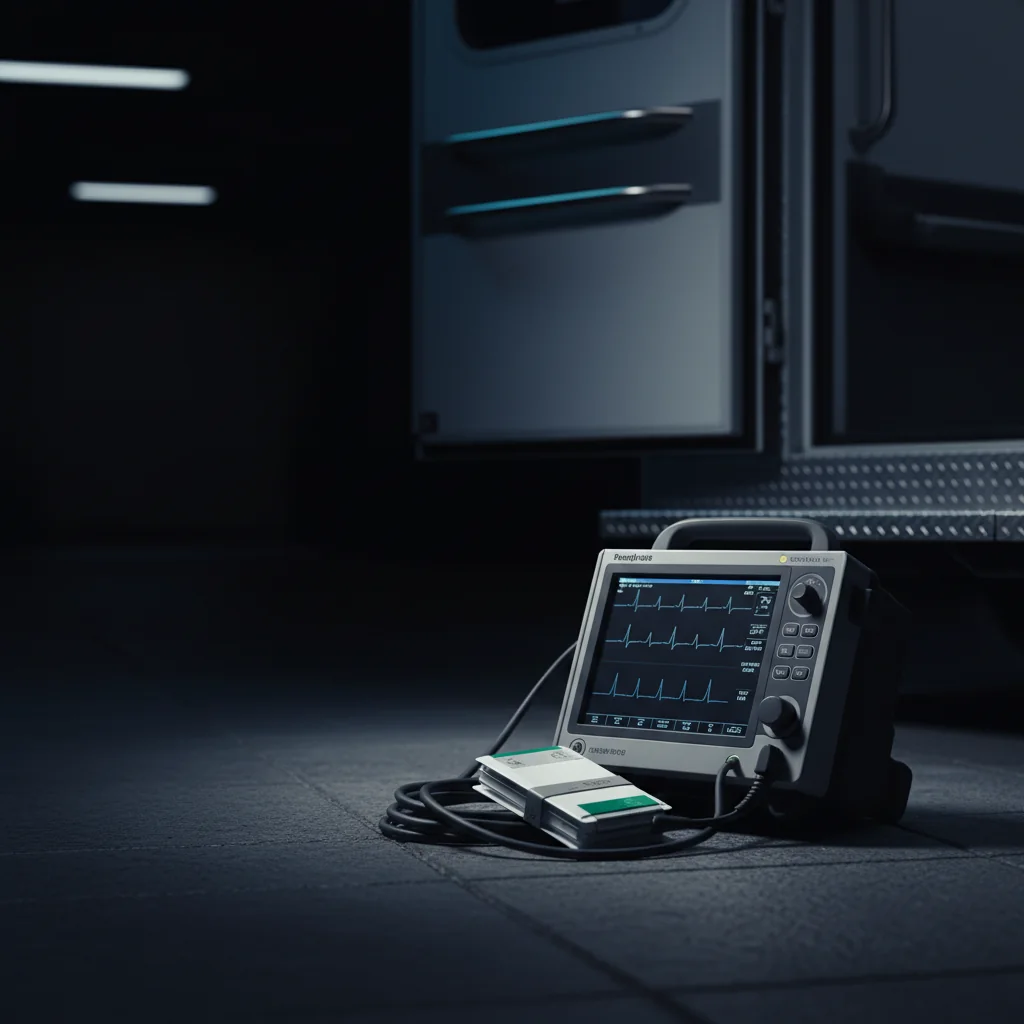
Paramedics deliver advanced emergency medical care beyond what EMTs can provide — administering IV medications, intubating airways, reading EKGs, and performing advanced cardiac life support. They work on ambulances and in emergency departments. Becoming a paramedic requires completing a 1–2 year accredited program (typically after EMT-Basic) and passing the NREMT Paramedic exam.
Time to certify
Required exam
Exam cost
Education
Renewal
Annual openings
What it's actually like
A day-to-day reality check, grounded in current practitioner sources — not just the salary math.
Hours / week
Shifts: 12, 24, or 48 hours.
Weekends
Where you work: ambulance, hospital emergency rooms, patient homes.
Physical demand
HighRequires frequent lifting and carrying of patients and equipment, often in awkward positions, and involves considerable standing, kneeling, and bending.
Stress level
HighInvolves life-or-death situations, exposure to traumatic events, and the need to make critical decisions under pressure.
A typical shift
- Inspect the ambulance, checking all equipment, medical supplies, and drugs to ensure readiness.
- Respond to 5-7 emergency calls per 12-hour shift, which can range from minor injuries to life-threatening situations.
- Assess a patient's condition, perform life-saving procedures like CPR, administer medications, and start IVs.
- Safely transport patients to a hospital, monitoring their condition and providing treatment en route.
- Provide a detailed report of the patient's condition and the treatment administered to the receiving hospital staff.
- Complete detailed patient care reports and other required documentation after each call.
- Clean and decontaminate the ambulance and restock supplies after transporting a patient.
check_circle Best fit if
- —You can remain calm and make critical, logical decisions in chaotic and high-pressure situations.
- —You are physically fit, with the strength to lift and move patients and the endurance for long, demanding shifts.
- —You can effectively communicate with and show compassion for people who are in distress or pain.
- —You are adaptable and can work in unpredictable environments, both indoors and outdoors, at any time of day or night.
cancel Skip if
- —You are squeamish about blood, bodily fluids, or severe injuries.
- —You are easily emotionally affected by traumatic events like serious injury, death, and abuse.
- —You require a predictable 9-to-5 schedule with weekends and holidays off.
- —You are not prepared for a physically strenuous job that involves frequent heavy lifting and working in awkward positions.
Sources cited (22)
The Landscape
While all states require licensing, the path to obtaining and maintaining it varies, impacting a paramedic's mobility and initial entry. Most states rely on National Registry of EMTs (NREMT) certification for renewal, simplifying continued education across borders. However, states like New York and Illinois utilize their own state exams for initial certification, creating an additional hurdle, and California and Nevada delegate actual practice licensure to local authorities, which can introduce local regulatory nuances beyond state-level certification. A closely-related path worth comparing is the EMT certification. If you're thinking about advancing further, see how Paramedic compares to EMT in time-to-credential, pay, and scope of practice. You can also compare Paramedic vs. Certified Nursing Assistant on the same dimensions.
Paramedic by State
Licensing cost, reciprocity, and median pay across all 50 states.
| State | Licensing cost | Reciprocity | Median | vs. National |
|---|---|---|---|---|
| Alabama | $200 | Endorsement | $48,540 | -19.9% |
| Alaska | $270 | Endorsement | $71,860 | +18.6% |
| Arizona | $175 | None | $58,600 | -3.3% |
| Arkansas | $180 | Endorsement | $50,310 | -17.0% |
| California | $460 | Re-exam | $74,590 | +23.1% |
| Colorado | $186 | Recognized | $63,910 | +5.5% |
| Connecticut | $325 | Endorsement | $77,480 | +27.9% |
| Delaware | $325 | Re-exam | $64,240 | +6.0% |
| District of Columbia | $365 | Endorsement | $78,550 | +29.6% |
| Florida | $220 | None | $60,140 | -0.8% |
| Georgia | $250 | None | $57,660 | -4.9% |
| Hawaii | $200 | — | $81,280 | +34.1% |
| Idaho | $210 | Recognized | $60,380 | -0.4% |
| Illinois | $170 | Endorsement | $60,660 | +0.1% |
| Indiana | $175 | Re-exam | $60,320 | -0.5% |
| Iowa | $205 | Endorsement | $60,590 | -0.0% |
| Kansas | $225 | Endorsement | $51,020 | -15.8% |
| Kentucky | $160 | Endorsement | $49,890 | -17.7% |
| Louisiana | $225 | Endorsement | $56,050 | -7.5% |
| Maine | $296 | Endorsement | $63,050 | +4.0% |
| Maryland | $160 | Endorsement | $66,660 | +10.0% |
| Massachusetts | $325 | Endorsement | $66,340 | +9.5% |
| Michigan | $255 | Endorsement | $52,080 | -14.1% |
| Minnesota | $307 | Recognized | $76,300 | +25.9% |
| Mississippi | $325 | Recognized | $54,630 | -9.9% |
| Missouri | $260 | Re-exam | $59,180 | -2.3% |
| Montana | $250 | Endorsement | $50,890 | -16.0% |
| Nebraska | $298 | Recognized | $56,230 | -7.2% |
| Nevada | $255 | Endorsement | $59,280 | -2.2% |
| New Hampshire | $310 | Re-exam | $64,210 | +6.0% |
| New Jersey | $255 | Endorsement | $86,630 | +43.0% |
| New Mexico | $260 | Re-exam | $55,530 | -8.4% |
| New York | $325 | Endorsement | $73,200 | +20.8% |
| North Carolina | $175 | Endorsement | $57,320 | -5.4% |
| North Dakota | $175 | Endorsement | $62,320 | +2.8% |
| Ohio | $185 | Endorsement | $51,300 | -15.3% |
| Oklahoma | $385 | Recognized | $46,790 | -22.8% |
| Oregon | $465 | Endorsement | $74,840 | +23.5% |
| Pennsylvania | $175 | Endorsement | $61,000 | +0.7% |
| Rhode Island | $240 | Endorsement | $63,550 | +4.9% |
| South Carolina | $160 | Endorsement | $53,550 | -11.6% |
| South Dakota | $210 | Recognized | $48,830 | -19.4% |
| Tennessee | $250 | Endorsement | $57,690 | -4.8% |
| Texas | $295 | Re-exam | $57,500 | -5.1% |
| Utah | $205 | Recognized | $65,420 | +8.0% |
| Vermont | $175 | Endorsement | $60,360 | -0.4% |
| Virginia | $325 | Recognized | $60,480 | -0.2% |
| Washington | $175 | Re-exam | $104,310 | +72.1% |
| West Virginia | $235 | Recognized | $48,460 | -20.0% |
| Wisconsin | $160 | Endorsement | $59,710 | -1.5% |
| Wyoming | $145 | Endorsement | $64,040 | +5.7% |
Related Certifications
Compare Paramedic head-to-head
All comparisons →Weighing a Paramedic career against another credential? Pay, training time, and licensing side-by-side.