Phlebotomist
Certification requirements, cost and salary by state
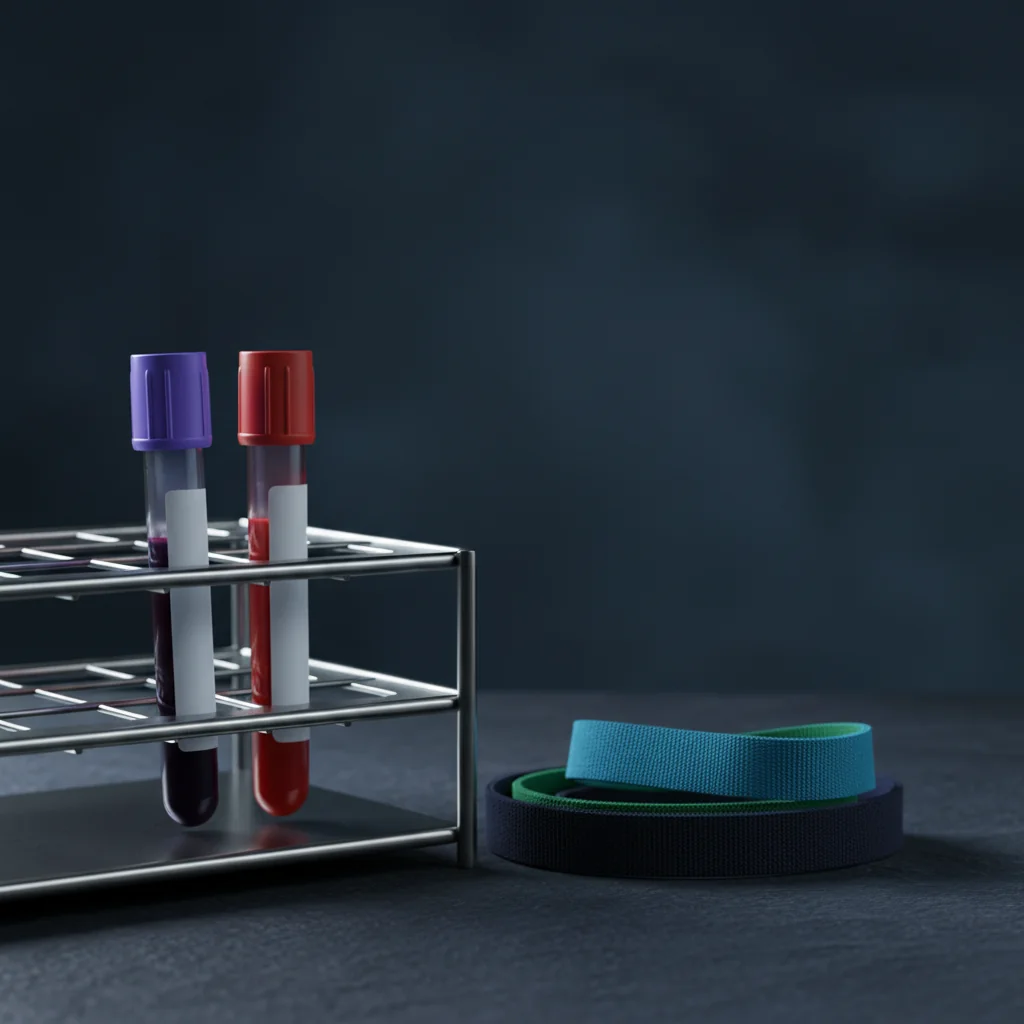
Phlebotomists draw blood from patients for lab tests, transfusions, and donations. They work in hospitals, diagnostic labs, blood banks, and outpatient clinics. Most states require completing a short training program (typically 4–8 weeks) and passing a national certification exam like the ASCP or NHA.
Time to certify
Required exam
Exam cost
Education
Renewal
Annual openings
What it's actually like
A day-to-day reality check, grounded in current practitioner sources — not just the salary math.
Hours / week
Shifts: 8 or 12 hours.
Weekends
Where you work: hospitals, medical and diagnostic laboratories, blood donor centers.
Physical demand
ModerateThe role requires standing for long periods, walking, bending over patients, and performing repetitive movements with the hands and arms.
Stress level
HighStress stems from high patient volume, dealing with anxious or difficult patients, the pressure for accuracy, and navigating challenging blood draws.
A typical shift
- Verify patient identity and review blood draw orders.
- Assemble and prepare necessary equipment, such as needles, vials, and antiseptics.
- Explain the blood draw procedure to patients and help calm those who are anxious.
- Perform venipunctures, finger pricks, or heel pricks to collect blood samples.
- Carefully label all collected samples with patient information to prevent mix-ups.
- Enter sample information into a database and maintain accurate patient records.
- Clean and sterilize work areas and dispose of needles and other medical instruments properly.
check_circle Best fit if
- —You are detail-oriented and can meticulously follow procedures to avoid errors in a high-stakes environment.
- —You have a calm and compassionate demeanor that can reassure anxious or fearful patients.
- —You possess the physical stamina to be on your feet for most of your shift and perform repetitive tasks.
- —You can adapt to varied schedules, including early mornings, nights, weekends, and holidays, especially in a hospital setting.
cancel Skip if
- —You are squeamish about blood or needles, or uncomfortable with the potential for exposure to pathogens.
- —You find it difficult to handle stress in a fast-paced environment with high patient volume and tight schedules.
- —You require a standard 9-to-5, weekday-only work schedule, as many positions require evening, weekend, and holiday rotations.
- —You struggle with standing for long periods or have back problems, as the job is physically demanding.
Sources cited (19)
- illinoisworknet.com
- trainingdirectusa.com
- reddit.com
- fhcaorlando.com
- needle.tube
- caringforcare.co.uk
- monteshcc.com
- northeastmedicalinstitute.com
- bls.gov
- clevelandclinic.org
- indeed.com
- gabrielhealth.org
- mayo.edu
- mtiofnewyork.com
- uscmed.com
- cambridgehealth.edu
- nwphlebotomyschool.com
- northwestcareercollege.edu
- alliedrxtraining.com
The Landscape
Phlebotomy salaries exhibit clear regional divides, with the Northeast and West Coast generally offering higher compensation, while Southern and many Midwestern states fall below the national median of $45,230. California stands out as a unique market, commanding the highest median salary at $56,040, a figure likely influenced by its stringent three-tiered licensing system and ongoing continuing education requirements that limit the supply of qualified professionals.
Despite 45 states not mandating a state-specific license, this rarely means a free pass into the profession; instead, employers overwhelmingly require national certifications from bodies like ASCP or NHA, shifting the credentialing burden from the state to industry standards. This creates a national baseline for competence even in non-licensed areas, contrasting with states like Louisiana, which requires a license yet offers significantly lower wages around $36,120, highlighting that a state license alone doesn't guarantee high earning potential. A closely-related path worth comparing is the Certified Nursing Assistant certification. If you're choosing an entry-level healthcare path, our Phlebotomist vs. Certified Nursing Assistant guide contrasts training time, clinical exposure, and starting wages. You can also compare Phlebotomist vs. Pharmacy Technician on the same dimensions.
Phlebotomist by State
Licensing cost, reciprocity, and median pay across all 50 states.
| State | License | Licensing cost | Reciprocity | Median | vs. National |
|---|---|---|---|---|---|
| Alabama | No | — | No license | $37,220 | -17.7% |
| Alaska | No | — | No license | $45,900 | +1.5% |
| Arizona | No | — | No license | $46,260 | +2.3% |
| Arkansas | No | $200 | No license | $37,450 | -17.2% |
| California | Yes | $285 | None | $56,040 | +23.9% |
| Colorado | No | — | No license | $47,180 | +4.3% |
| Connecticut | No | — | No license | $45,820 | +1.3% |
| Delaware | No | $110 | No license | $48,110 | +6.4% |
| District of Columbia | No | $119 | No license | $51,980 | +14.9% |
| Florida | No | — | No license | $40,230 | -11.1% |
| Georgia | No | — | No license | $45,840 | +1.3% |
| Hawaii | No | $110 | No license | $47,750 | +5.6% |
| Idaho | No | — | No license | $43,400 | -4.0% |
| Illinois | No | — | No license | $46,010 | +1.7% |
| Indiana | No | — | No license | $39,250 | -13.2% |
| Iowa | No | — | No license | $38,240 | -15.5% |
| Kansas | No | $115 | No license | $39,100 | -13.6% |
| Kentucky | No | $117 | No license | $42,480 | -6.1% |
| Louisiana | Yes | $175 | Endorsement | $36,120 | -20.1% |
| Maine | No | $200 | No license | $45,640 | +0.9% |
| Maryland | No | — | No license | $43,480 | -3.9% |
| Massachusetts | No | — | No license | $50,170 | +10.9% |
| Michigan | No | $200 | No license | $39,860 | -11.9% |
| Minnesota | No | — | No license | $46,000 | +1.7% |
| Mississippi | No | — | No license | $36,290 | -19.8% |
| Missouri | No | — | No license | $43,120 | -4.7% |
| Montana | No | $110 | No license | $45,470 | +0.5% |
| Nebraska | No | — | No license | $39,540 | -12.6% |
| Nevada | Yes | $185 | Endorsement | $45,760 | +1.2% |
| New Hampshire | No | $125 | No license | $48,660 | +7.6% |
| New Jersey | No | — | No license | $48,650 | +7.6% |
| New Mexico | No | — | No license | $42,910 | -5.1% |
| New York | No | — | No license | $50,530 | +11.7% |
| North Carolina | No | $110 | No license | $43,330 | -4.2% |
| North Dakota | No | $200 | No license | $47,430 | +4.9% |
| Ohio | No | $125 | No license | $39,770 | -12.1% |
| Oklahoma | No | $200 | No license | $39,030 | -13.7% |
| Oregon | No | — | No license | $49,160 | +8.7% |
| Pennsylvania | No | — | No license | $43,910 | -2.9% |
| Rhode Island | Yes | — | — | $46,380 | +2.5% |
| South Carolina | No | $110 | No license | $39,010 | -13.8% |
| South Dakota | No | — | No license | $39,560 | -12.5% |
| Tennessee | No | — | No license | $38,550 | -14.8% |
| Texas | No | — | Endorsement | $40,450 | -10.6% |
| Utah | No | $129 | No license | $40,630 | -10.2% |
| Vermont | No | $110 | No license | $46,000 | +1.7% |
| Virginia | No | — | No license | $46,340 | +2.5% |
| Washington | Yes | $195 | Endorsement | $48,880 | +8.1% |
| West Virginia | No | — | No license | $39,250 | -13.2% |
| Wisconsin | No | $200 | No license | $46,470 | +2.7% |
| Wyoming | No | — | No license | $38,180 | -15.6% |
Related Certifications
Compare Phlebotomist head-to-head
All comparisons →Weighing a Phlebotomist career against another credential? Pay, training time, and licensing side-by-side.