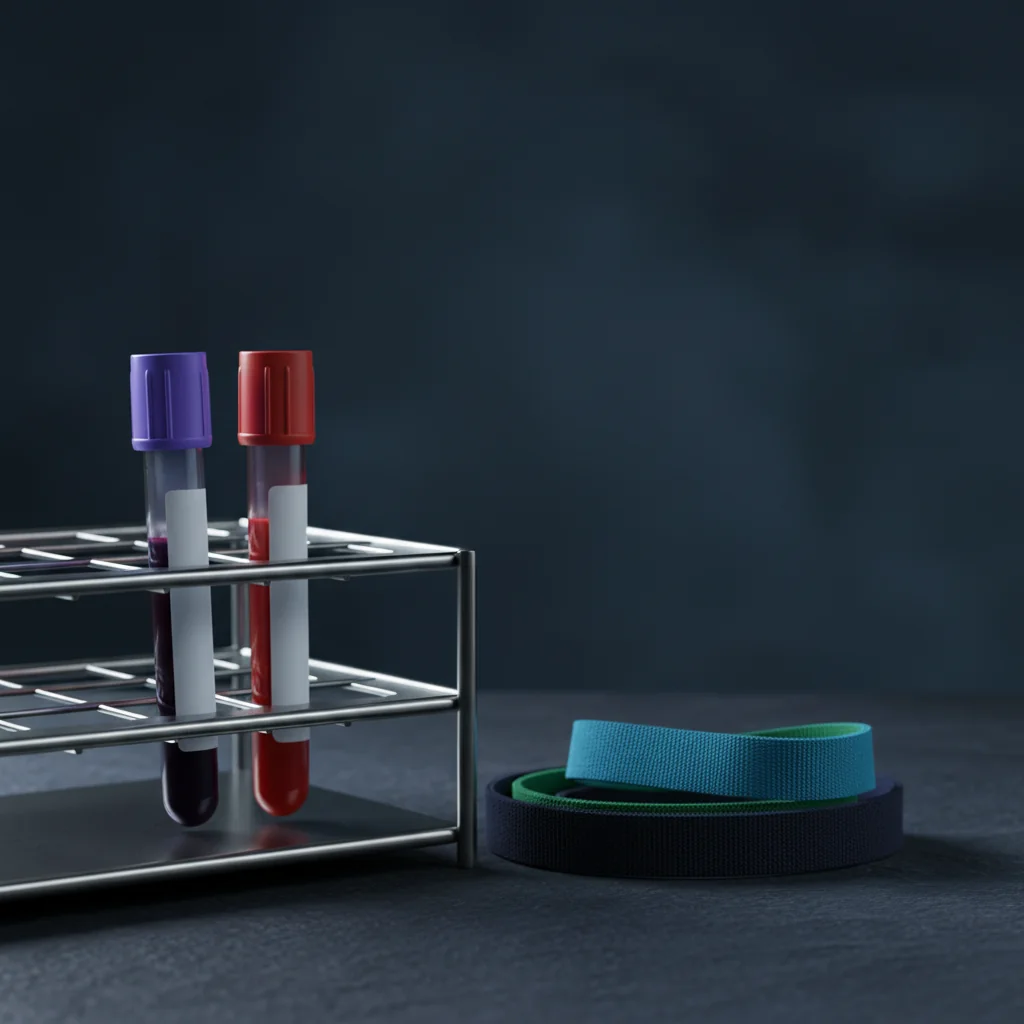
Phlebotomist in Pennsylvania
Requirements, salary data, licensing costs, and career ROI for PA. Updated with 2024 BLS OEWS wage data.
BLS OEWS 2024, Pennsylvania.
Jobs (PA)
10-yr job growth
Time to complete
route How to become a phlebotomist in Pennsylvania
In Pennsylvania, there is no state-level licensing body for phlebotomists; however, national certification is widely required or preferred by employers. To become a phlebotomist, individuals typically need a high school diploma or GED and must complete an accredited phlebotomy training program. These programs include classroom instruction and clinical hours, often requiring a minimum number of successful venipunctures and capillary sticks. Upon completion, candidates are eligible to take national certification exams offered by organizations such as the NHA, ASCP, AMT, NCCT, or NPCE. Certification generally needs to be renewed every two years, often with continuing education requirements.
bar_chart Salary percentiles
Source: BLS OEWS 2024 for Pennsylvania. Metro-area wages may differ significantly from the state aggregate.
checklist Pennsylvania requirements
| Licensing body | No state licensing body; national certification is employer-driven |
| State license | Not required |
| Education | High school diploma or GED and completion of an accredited phlebotomy training program (typically 40-100+ hours classroom/lab and 20-150+ clinical hours, including documented successful venipunctures and capillary sticks) |
| Exam | National certification exams (e.g., NHA CPT, ASCP PBT, AMT RPT, NCCT NCPT, NPCE CPT) |
| Renewal | Every 2.0 years |
| Continuing education | 6.0 hours per cycle |
| Reciprocity | No state license is required for phlebotomists in Pennsylvania.Reciprocal states: Not applicable as there is no state license |
| Notes | Pennsylvania does not require a state license for phlebotomists, but national certification is strongly preferred or required by most employers. General requirements for training programs often include being over 18, a clean background check, negative Hepatitis and TB tests, and immunization records. Some programs may also require CPR certification. Certification renewal typically requires continuing education. |
Source: No state licensing body; national certification is employer-driven
Already licensed elsewhere and moving to Pennsylvania? See whether Pennsylvania recognizes an out-of-state credential — with the tier and pathway for all 50 states — in our Phlebotomist license reciprocity guide.
work_outline Job outlook
AI & tech impact
This career has low exposure to AI automation. Most tasks require physical presence, human judgment, or hands-on skills that AI cannot easily replicate.
balance Is it worth it?
- infoNo state license required — lower barrier but weaker signal
- check_circleStrong 10-year job growth (+5.6%)
- check_circleLow AI disruption risk
Compare Phlebotomist head-to-head
See all comparisons →Considering a Phlebotomist vs another career? Side-by-side breakdowns of pay, training time, and licensing.